$20.00
We will hold your cart for 15:00.
Standing over a patch of tired soil in our test garden, we asked ourselves a simple question: what makes a raised garden bed worth the investment? After years of trialing everything from flimsy kits to custom builds, we've learned that the wrong choice is a wasteful and frustrating cycle of rot, warping, and replacement. The right bed, however, transforms gardening into a pure joy—reducing weeds, improving drainage, and making every harvest more accessible.
In this guide, we share what we've learned from countless hours of hands-on testing and talking with fellow gardeners. We'll dissect the three main materials—cedar, composite, and metal—and help you match the perfect bed to your space, budget, and long-term goals. No fluff, just practical wisdom to help you build your dream garden.
Before diving into the options, let's quickly review why raised beds have exploded in popularity. The benefits go beyond aesthetics:
But not all raised beds are created equal. Let's examine the materials that matter most.
Your choice of material determines your bed's lifespan, safety, cost, and environmental impact. Here's our honest breakdown.
Untreated Western Red Cedar is the gold standard for organic gardeners. It's naturally resistant to rot, decay, and insect damage without any chemical treatments. In our tests, a well-built cedar bed can last 10–15 years, and some gardeners report even longer.
Pros: Natural beauty, lightweight, safe for edibles, sustainable if FSC-certified, and easy to expand or repair.
Cons: Higher initial cost compared to pine, but cheaper than composite; requires no sealing but may gray over time.
Made from recycled plastic and wood fiber, composite beds never rot, splinter, or need staining. They're a favorite for their durability, but they come with a heavier price tag.
Pros: Lifespan of 25+ years, zero maintenance, eco-friendly use of recycled materials.
Cons: High upfront cost, heavy and often more difficult to assemble, can heat up in full sun, and some gardeners worry about plastic leaching (though high-quality composites are food-safe).
Galvanized steel or corrugated metal beds offer a sleek, industrial look and superb durability. They're often raised for easier access and have a long lifespan.
Pros: Extremely durable (50+ years), rodent-resistant, modern appearance, and relatively affordable.
Cons: Can heat up excessively in hot climates, sharp edges if not rolled, and may corrode over time if not properly galvanized.
For the majority of home gardeners, we recommend Greenes Fence cedar beds. Why? They hit the sweet spot of durability, safety, and affordability. Here's what sets them apart:
We've used Greenes Fence beds in our own trial garden for over three seasons, and they've held up beautifully through rain, snow, and intense sun. The cedar has developed a lovely silver patina, but the structure remains as solid as day one.
One of the most common mistakes we see is choosing a bed that's too narrow or too shallow. Here's a quick guide:
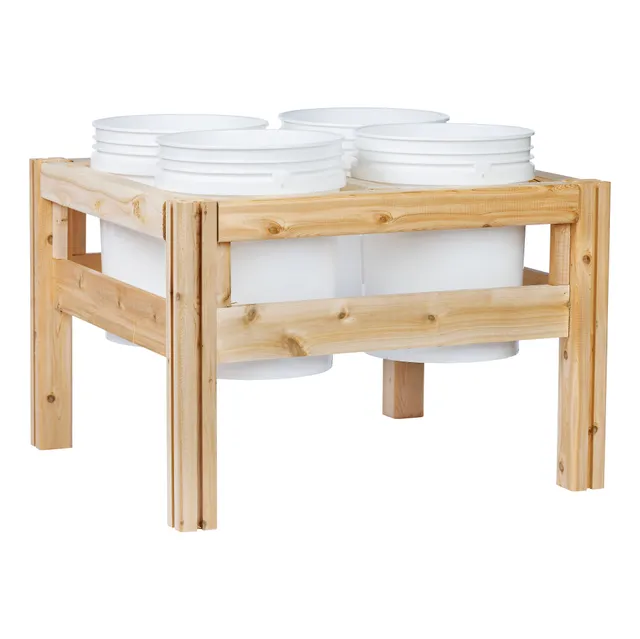
Consider the Greenes Fence Four Bucket Elevated Garden Frame if you want a compact, waist-high option perfect for herbs, lettuces, and small vegetables. It fits five-gallon buckets for easy planting and swapping.
Proper installation can add years to your bed's life. Here's what we've learned:
If you're assembling a Greenes Fence bed, remember that no tools are needed for the dovetail fits—just a rubber mallet to tap the joints snug. It's genuinely satisfying.
A raised bed is just the start. To get the most from your garden, consider these complementary tools:
We've tested all of these products and they integrate seamlessly with a raised bed setup.
We've seen cheap pine beds rot in just three years, while our Greenes Fence cedar beds are thriving in year five. When you factor in longevity and the safety of growing food in untreated wood, cedar is unequivocally worth the investment. Composite will last longer, but the higher upfront cost and lack of flexibility make cedar the better choice for most home gardeners.
If you're serious about growing your own food, invest in a bed that will serve you for a decade or more. Your back, your soil, and your harvest will thank you.
Orders over $45.00 ship free. Otherwise, shipping is $8.00.
Hassle-free returns
SSL encrypted checkout
100% genuine products
Explore durable gardening tools and outdoor equipment from leading brands like Bootstrap Farmer and AC Infinity.
Email: support@gardenforge.us
Address: 1487 Willow Creek Drive, Boise, ID 83702, United States